Commercial pest management in the Carolinas
Pest-free floors. Audit-ready binders.
IPM programs for restaurants, food plants, hospitals and warehouses across the Carolinas, with every visit documented for your auditor.

Every facility fails an audit differently.
Pick yours. We'll show you the program we usually start with, the pests that matter and the paperwork your auditor will ask for.
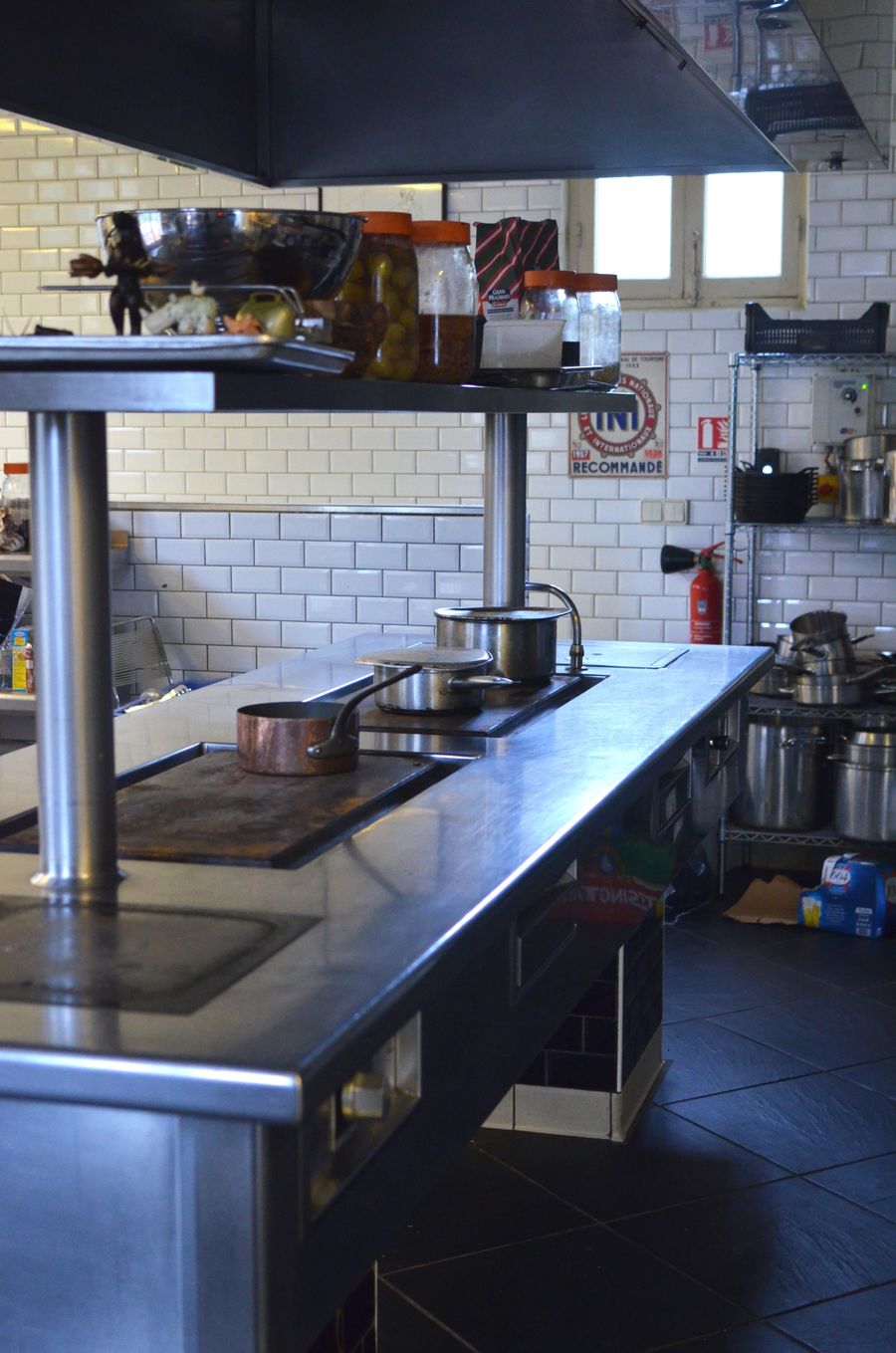
Restaurants and commercial kitchens
Service after close, so the line never stops and the dining room never sees a technician.
- Pests that matter
- German cockroachesHouse miceDrain fliesFruit flies
- Visits
- Twice a month, before open or after close
- Paperwork
- Health inspection log, service reports, pesticide usage log
How a Sentinel program runs
Integrated pest management, in the order it actually happens on your site.
Your audit binder, already done.
Every visit adds to a live binder built for the standard you're audited against. When the auditor asks, you open the portal.
- AIB
- SQF
- BRCGS
- HACCP
- Joint Commission
- Health department
- Service reports signed on site
- Trap maps with numbered stations
- Pesticide logs, labels and SDS
- Corrective actions with photos
- Technician licenses and insurance certificates
83% fewer captures by month six, after exclusion work on two dock doors and a drain line.
A sighting at 2 a.m. gets a person, not a voicemail.
Rodent in the dry storage the night before an inspection? Our emergency line is answered around the clock by people who can dispatch a technician.
Office hours 7 am to 6 pm. The emergency line never closes.

One account manager. One number to call.
“Our last AIB audit had zero pest findings. Dana had the trap trends printed before the auditor asked for them.”
4.8 average from 212 Google reviews

Questions facility teams ask us
Anything else, call (704) 555-0189 and ask for an account manager.
Do you work with our audit standard?
Yes. We set up documentation for AIB, SQF and BRCGS audits, HACCP plans and Joint Commission surveys, and your account manager can be on site for the audit if you want them there.
Will service disrupt operations?
Visits are scheduled around you: before open, after close or on weekend shifts. Most routine visits take under an hour and never touch a production line.
What do you use around food and patients?
Monitoring, exclusion and sanitation fixes come first. When a treatment is needed we use products labeled for that area and log every application with the label and SDS.
How is a contract priced?
Per site, based on size, risk and visit frequency, after the walk-through. Portfolios with several buildings get one contract and one invoice.
Can you take over from our current provider?
Usually, yes. We map your existing stations, carry over your history and keep your trend reports continuous, so the auditor sees one unbroken record.
What does the site assessment cost?
Nothing. It takes 60 to 90 minutes and you keep the written findings whether or not you hire us.
Free site assessment
We walk your facility, map the risks and leave you written findings, whether or not you hire us.